Dredging project could cause the nation's largest permitted coral destruction to date, repeating PortMiami’s costly environmental disaster, still unmitigated over a decade later.


Public comment
On April 26, 2023, the US Environmental Protection Agency (EPA) proposed powerful new regulations to reduce toxic petrochemical pollution. We now have a once-in-a-generation opportunity to help make these rules as strong as possible. Here’s why this matters:
Petrochemicals, including plastics, are made from fossil fuels.
Petrochemical facilities are energy-intensive and dump an enormous amount of harmful air pollutants, including carbon, into the air.
These pollutants have catastrophic effects on people’s health and contribute to climate change.
Today, more than 7 million people who live near chemical plants face serious cancer risk from uncontrolled toxic air emissions — the majority of the worst affected are Black and Brown residents, a story of environmental racism we see unfolding every day in Louisiana and Texas.
Right now, the EPA is hosting a 60-day public comment period that ends June 26, 2023, where people are invited to share their opinions to help shape the final regulation before it’s announced in March 2024.
To get a strong final rule, we must add our voices to the process — sharing our personal stories and concerns about the impact of deadly air pollution. It’s critical we tell decision-makers that there is no “acceptable” threshold of cancer risk to fenceline communities, that we must use all available air pollution control technologies to keep these communities safe, and that the strongest possible regulations are required to tackle climate change.

Personal messages have the biggest impact on decision-makers.

Your comment will be sent directly to the US government portal.

The greatest threat to the Chumash sanctuary designation is next year’s federal election.
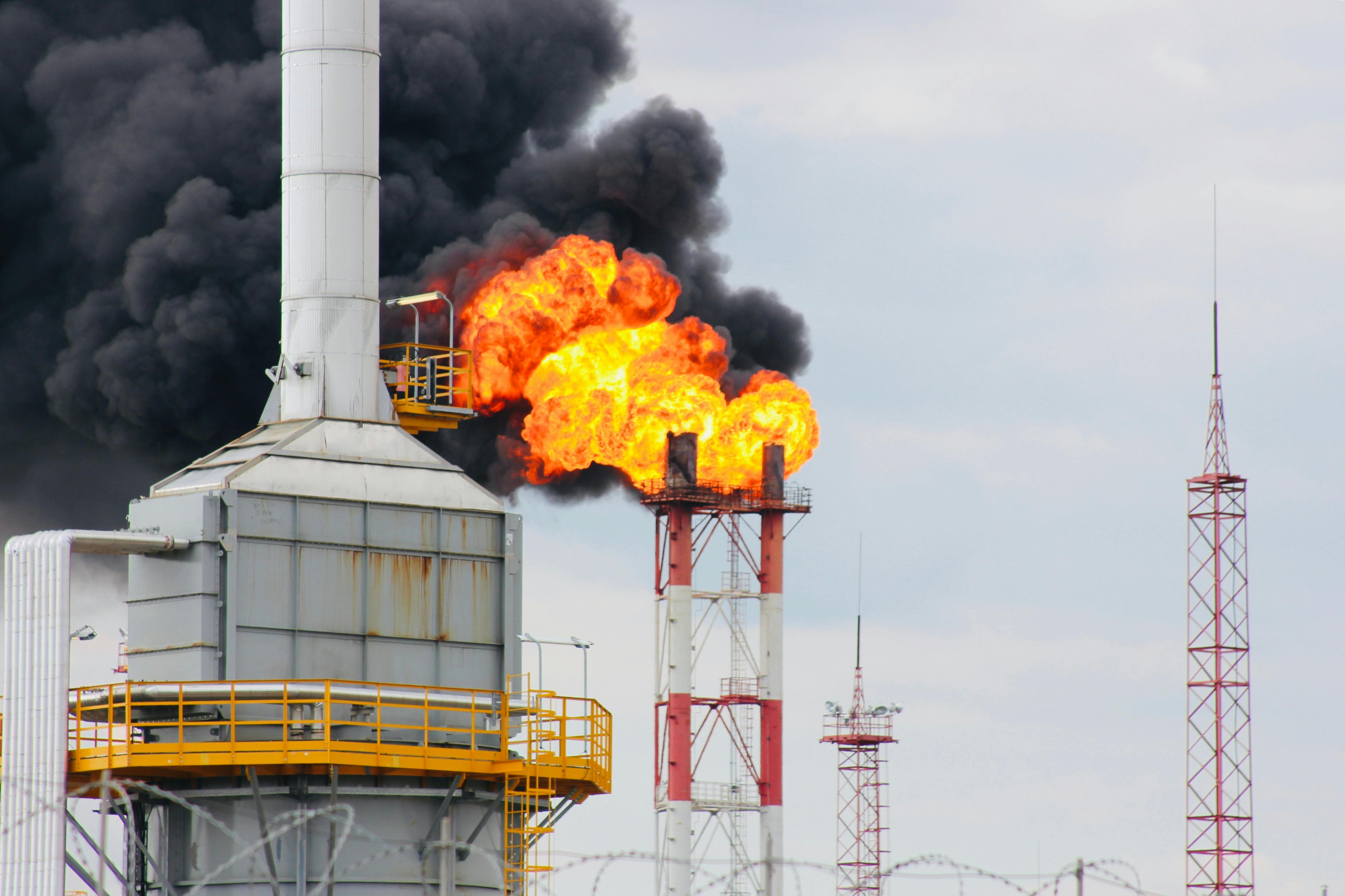
The proposed rule (Docket ID No. EPA–HQ–OAR–2022–0730) is intended to address the devastating impacts of chemical manufacturing pollution on nearby communities — but without public action, there is a very real risk that the final regulations will not be strong enough.

For these fenceline communities, petrochemical facilities are directly linked with dramatically increased risks of cancer and detrimental effects on health and well-being. The new regulations would crack down on toxic air emissions from over 200 chemical manufacturing plants across the US, most of which are concentrated in Louisiana, Texas, and the Ohio River Valley.
The map below shows 227 high risk chemical facilities across the United States that would be affected by these new regulations.
Recent decades have seen the release of hazardous air pollutants rise dramatically as a result of increased plastic production by these petrochemical facilities. The proposed rule recognizes these dangers and seeks to reduce the release of these hazardous air pollutants generated during the manufacturing processes.
Imposing stricter regulations is critical in order to mitigate the disproportionate effects faced by fenceline communities — who suffer from increased rates of respiratory problems, cancers, and other adverse health impacts due to prolonged exposure to pollutants.
To address these challenges, the proposed rule mandates that affected facilities adopt many of the available pollution control technologies and practices. By doing so, the rule aims to minimize emissions and enhance environmental protection. Emission limits are set for various hazardous air pollutants, ensuring that the release of these harmful substances is significantly reduced.

However, the rule does not mandate the use of all available technologies to monitor and correct chemical leaks — an oversight that must be corrected in the final rule, in order to truly protect America’s most vulnerable populations.
Additionally, the proposed rule requires facilities to implement comprehensive monitoring and reporting systems. This ensures that emissions are accurately measured and reported, allowing for effective enforcement and accountability. This measure is designed to not only safeguard the health of frontline communities but also promote cleaner air and a healthier environment for all.
The proposed rule also considers the economic implications of these regulations. It outlines the anticipated costs and benefits associated with the implementation of the rule. While the industry may face certain compliance costs, the benefits to public health and the environment outweigh these expenses.
By reducing the health risks faced by frontline communities and improving air quality, the proposed rule strives to create long-term benefits for society as a whole.