






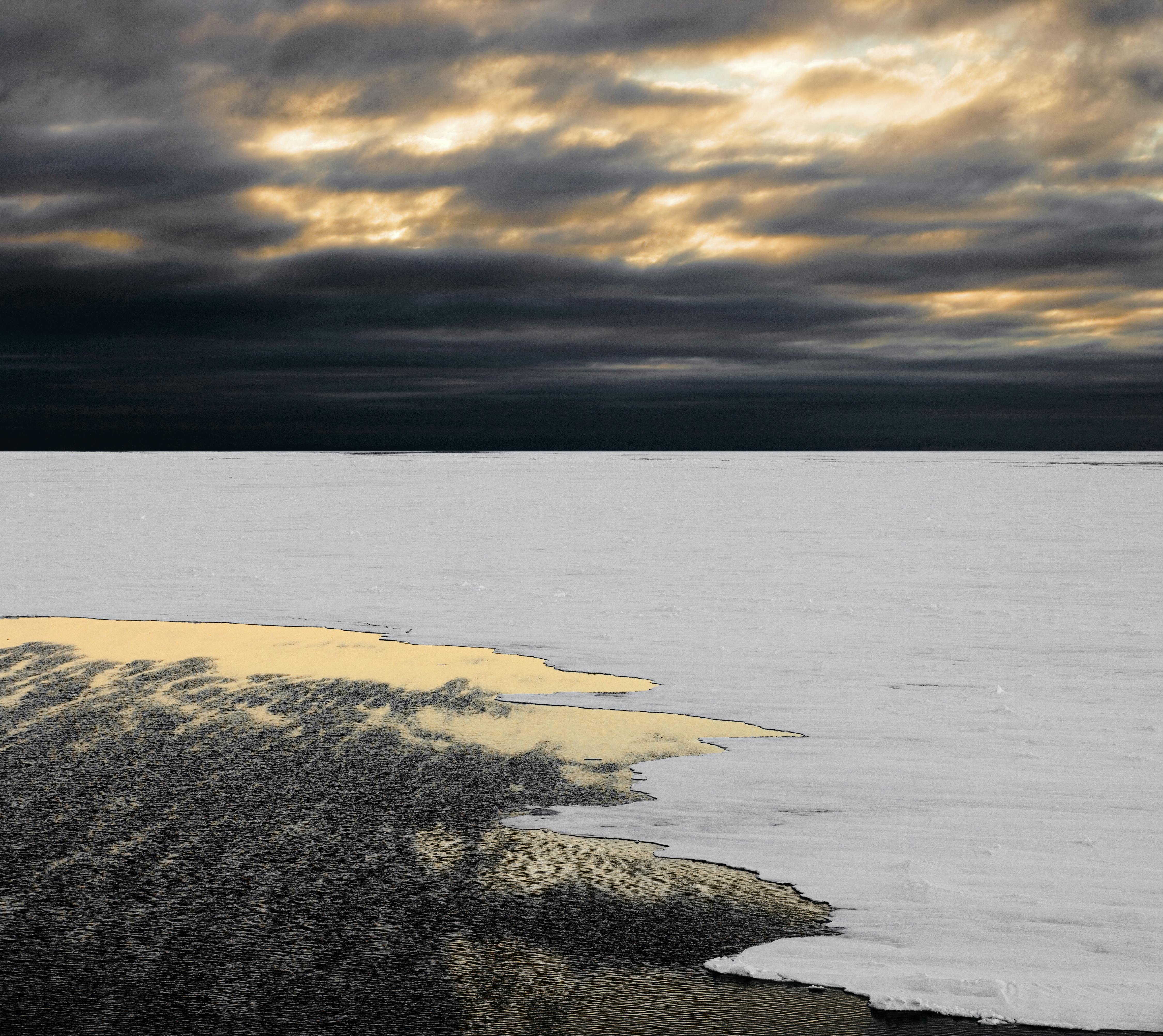

Mountains, canyons, plains — these geological features are not only present on land, but also under the sea, where scientists have now charted them in incredible detail in the ocean surrounding Antarctica. The five-year project mapped 18.5 million square miles, and even revealed a new deepest point in the Southern Ocean, a depression lying 7,432 meters (24,383 feet) below sea level called the Factorian Deep. This study and others like it around the world are filling major scientific gaps in our understanding of what the ocean floor looks like, a key part of knowing how to foster ocean health. More mapping also enables us to make an even stronger science-backed case for marine protected areas. If you want to turn this positive progress into action, you can join us today as we call on world leaders to protect Antarctica and secure the largest act of ocean protection in history. We’re close to reaching our goal of 250,000 petition signatures!
What you need to know
Marine protected area? Unfortunately, just a paper park.
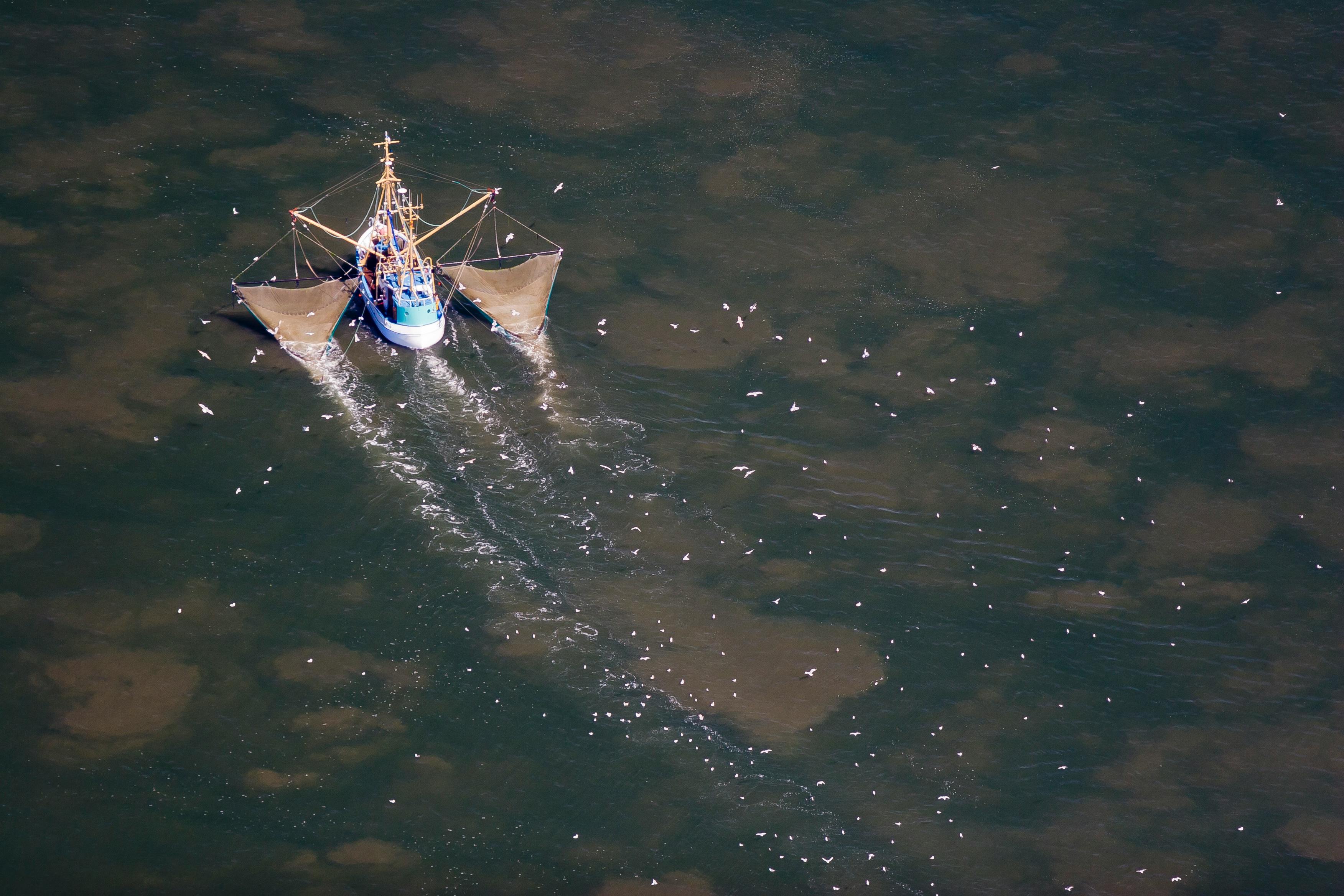
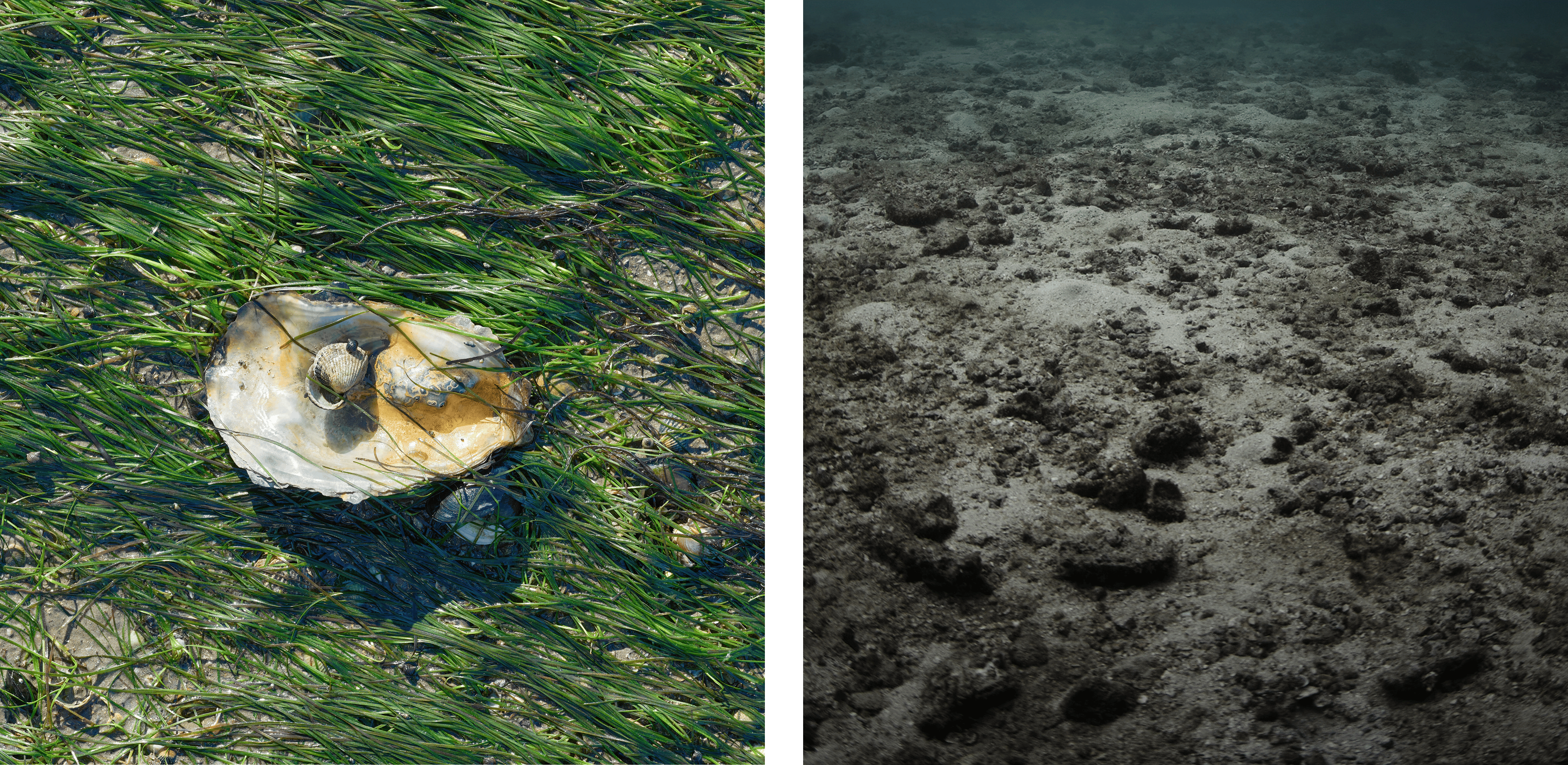
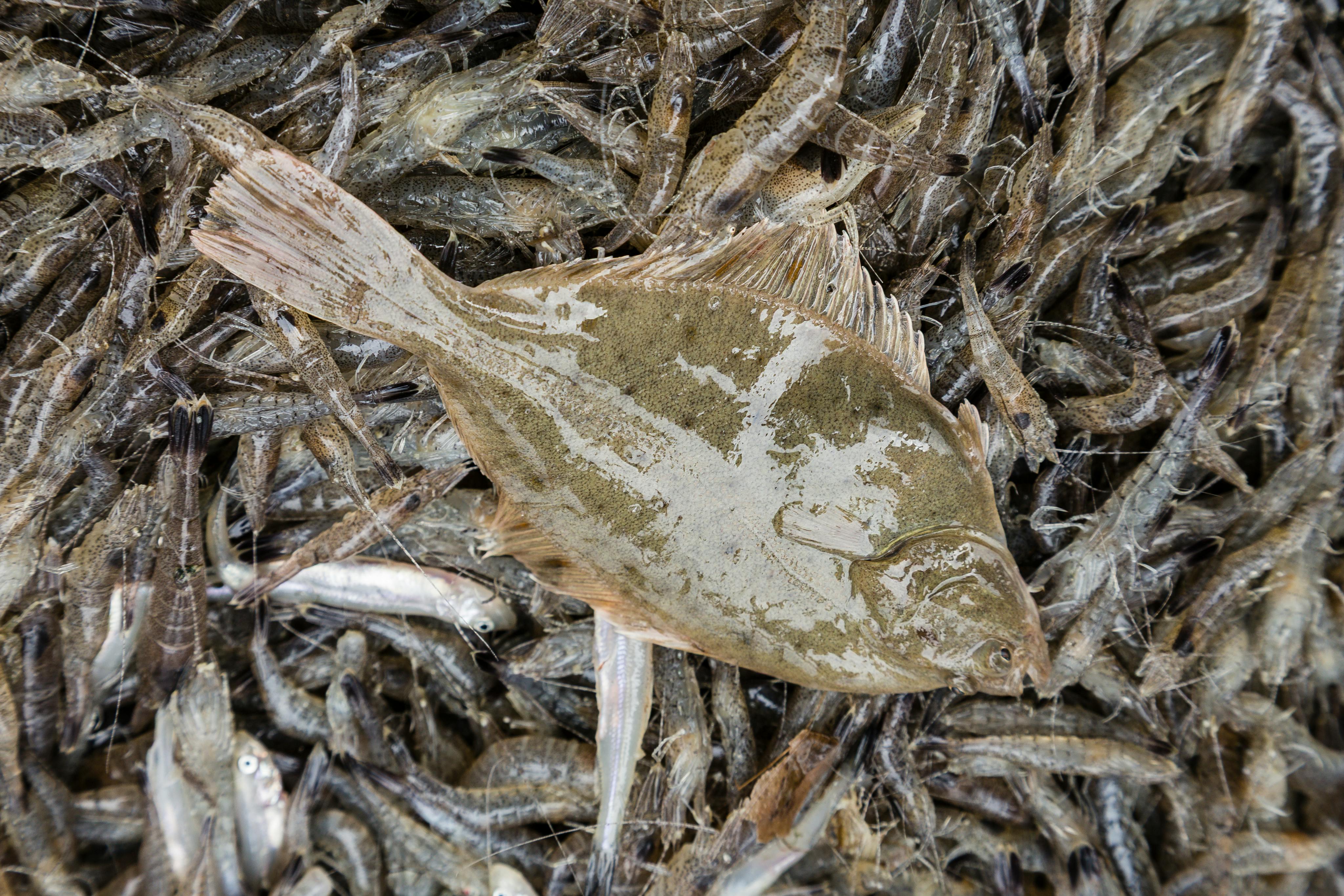
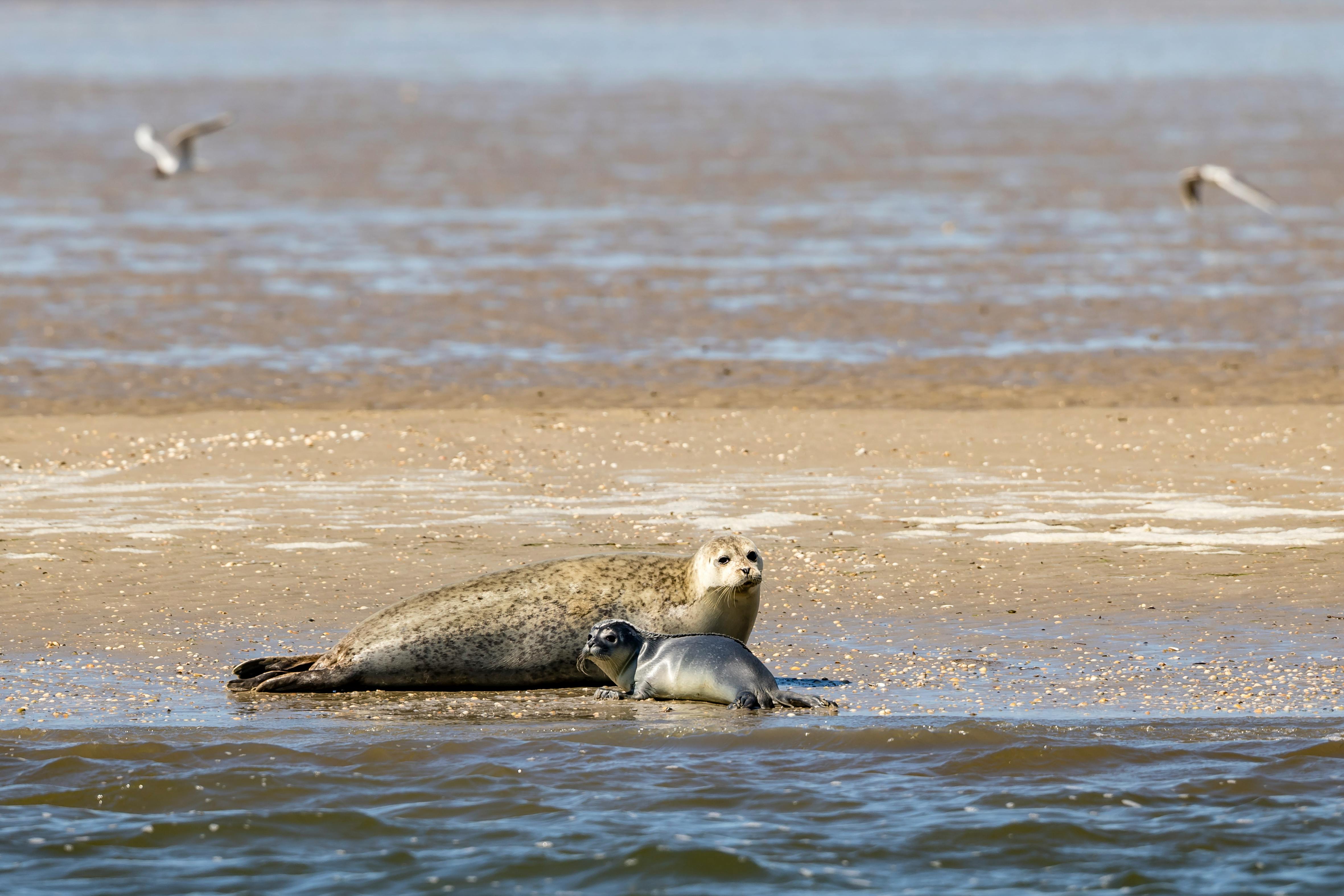
Even inside Germany’s marine protected areas (MPAs), bottom trawling for brown shrimp continues to destroy some of the North Sea’s most sensitive habitats. Shrimp boats drag heavy nets across the seabed, leaving devastation behind: vital ecosystems such as sand-coral reefs have already disappeared, while seagrass meadows, mussel beds, and crucial nursery grounds for fish are still being ruthlessly sacrificed for short-term profit.