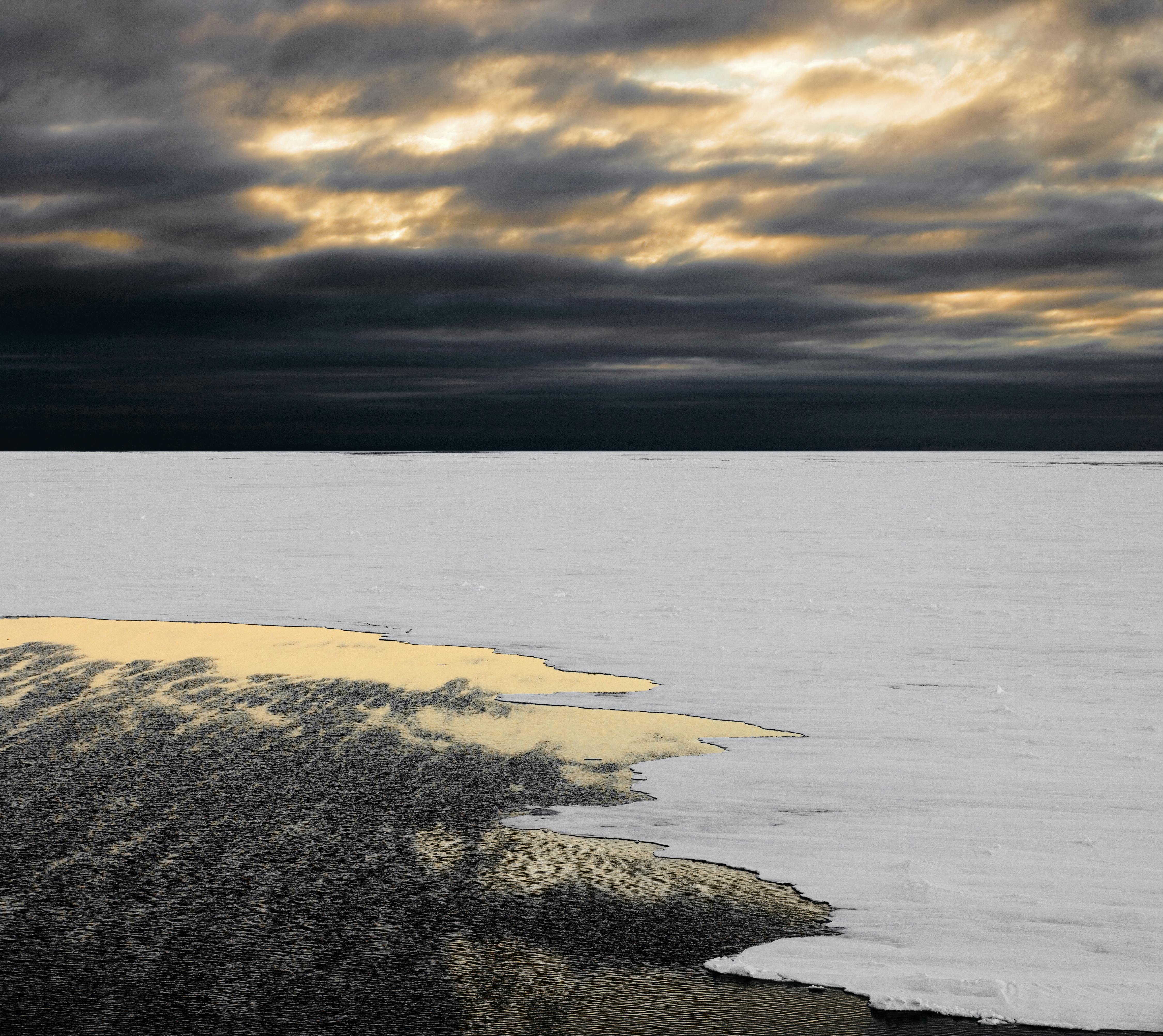

Mountains, canyons, plains — these geological features are not only present on land, but also under the sea, where scientists have now charted them in incredible detail in the ocean surrounding Antarctica. The five-year project mapped 18.5 million square miles, and even revealed a new deepest point in the Southern Ocean, a depression lying 7,432 meters (24,383 feet) below sea level called the Factorian Deep. This study and others like it around the world are filling major scientific gaps in our understanding of what the ocean floor looks like, a key part of knowing how to foster ocean health. More mapping also enables us to make an even stronger science-backed case for marine protected areas. If you want to turn this positive progress into action, you can join us today as we call on world leaders to protect Antarctica and secure the largest act of ocean protection in history. We’re close to reaching our goal of 250,000 petition signatures!
What you need to know
Every day, we see alarming news about the threat of plastics and petrochemicals — to our health, our environment, and even our lives. It’s a threat that touches every single person. The plastic crisis may feel overwhelming, but we’re here to help take that first step to fight back.
How we got here
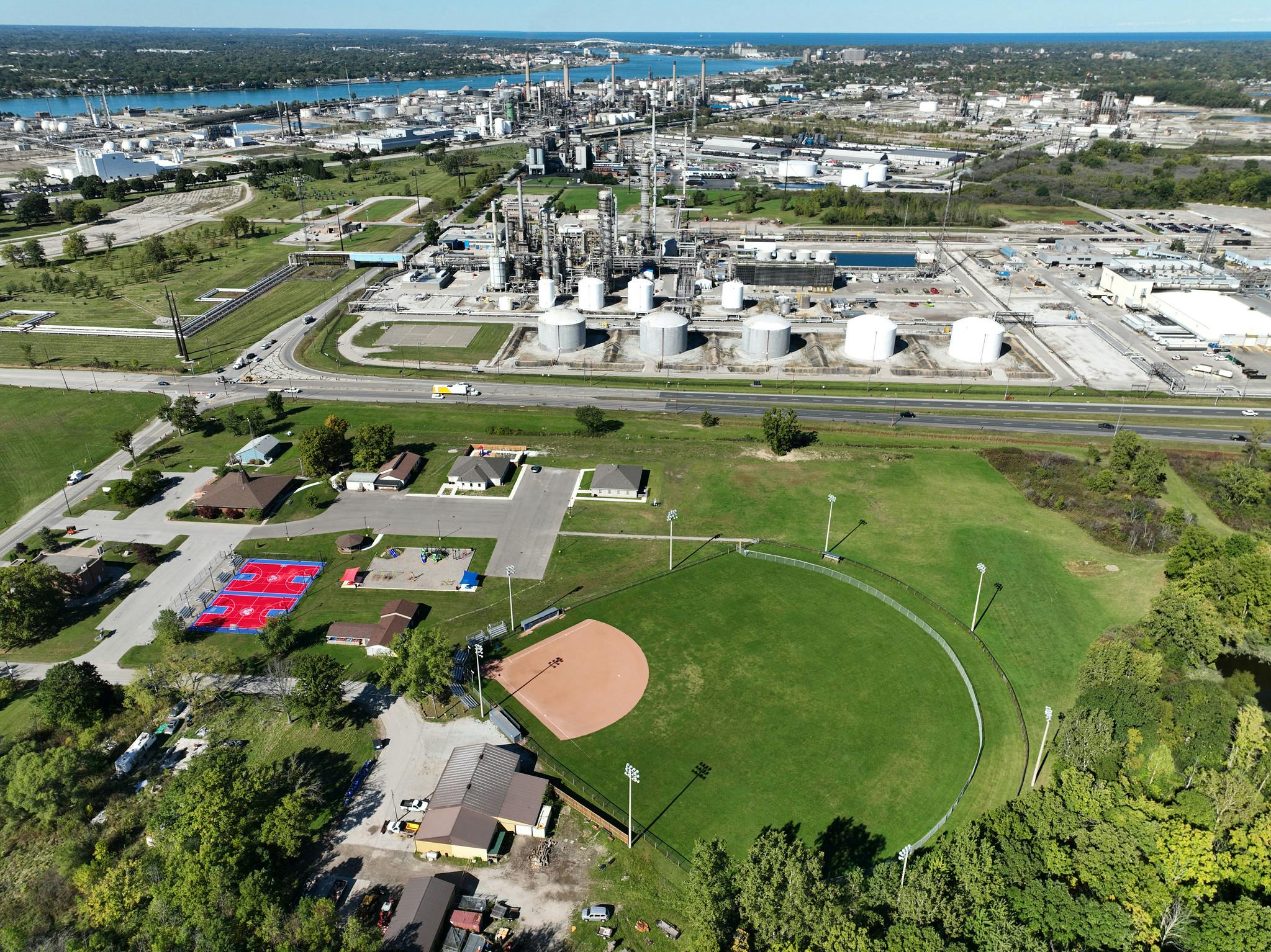
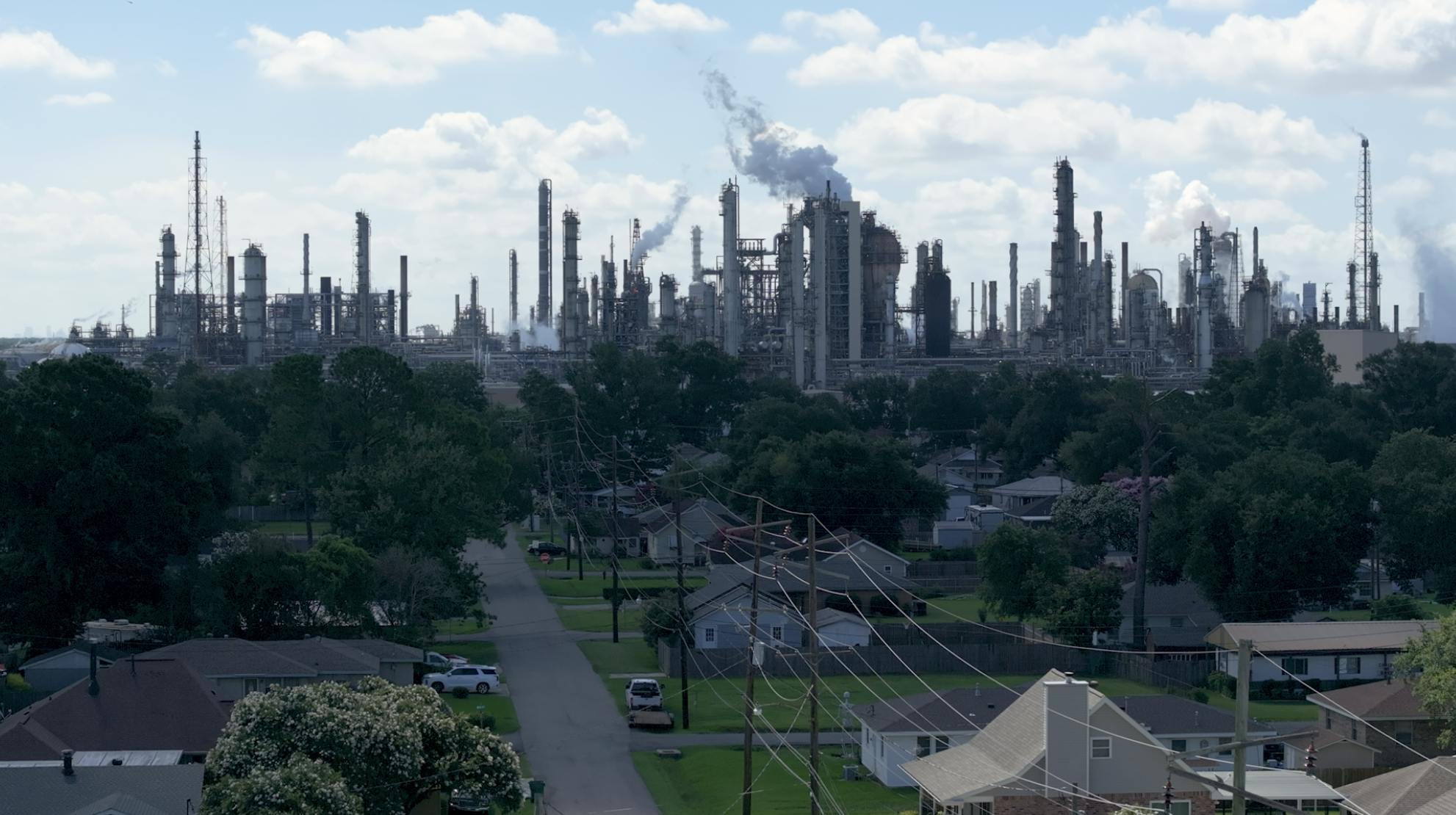
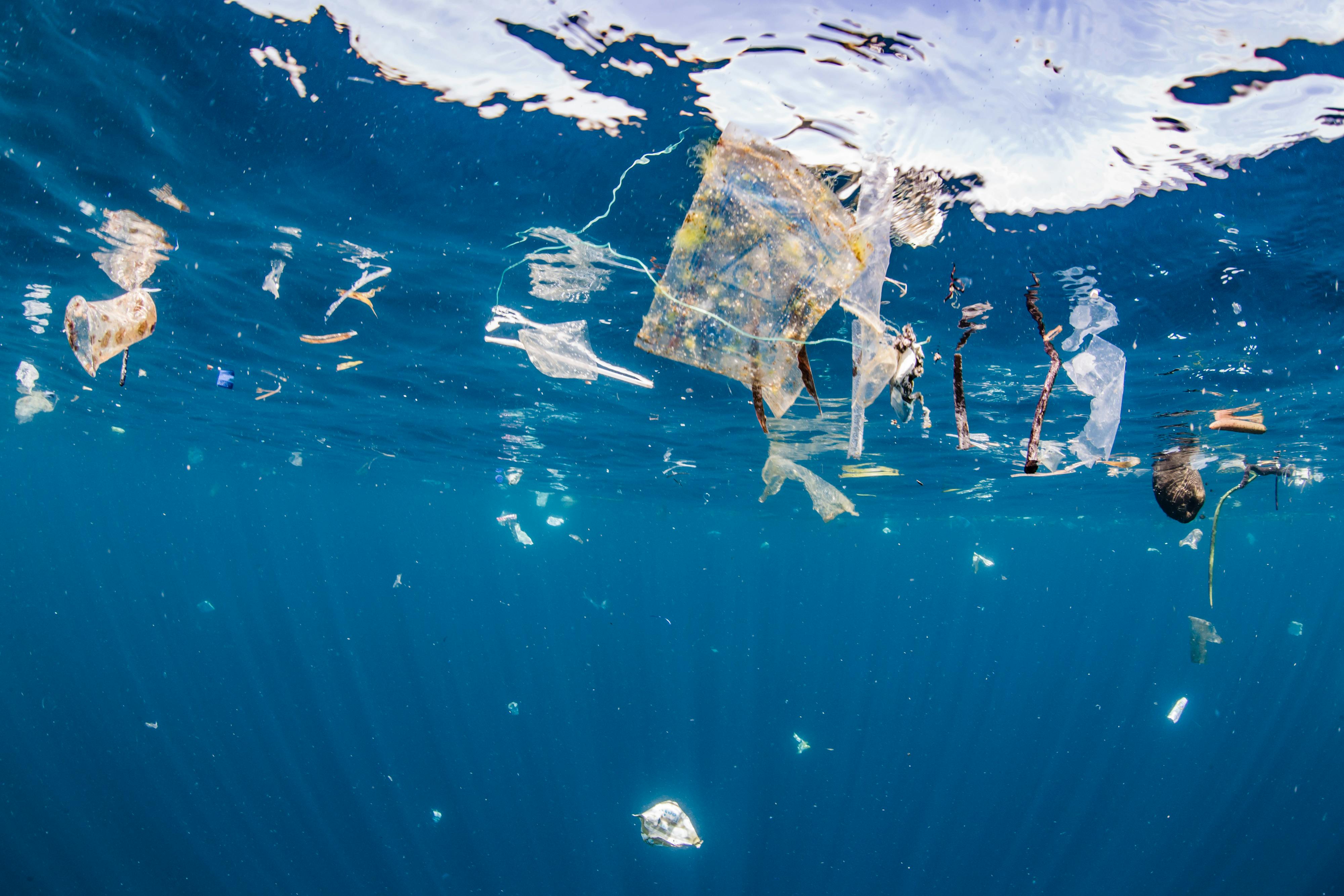
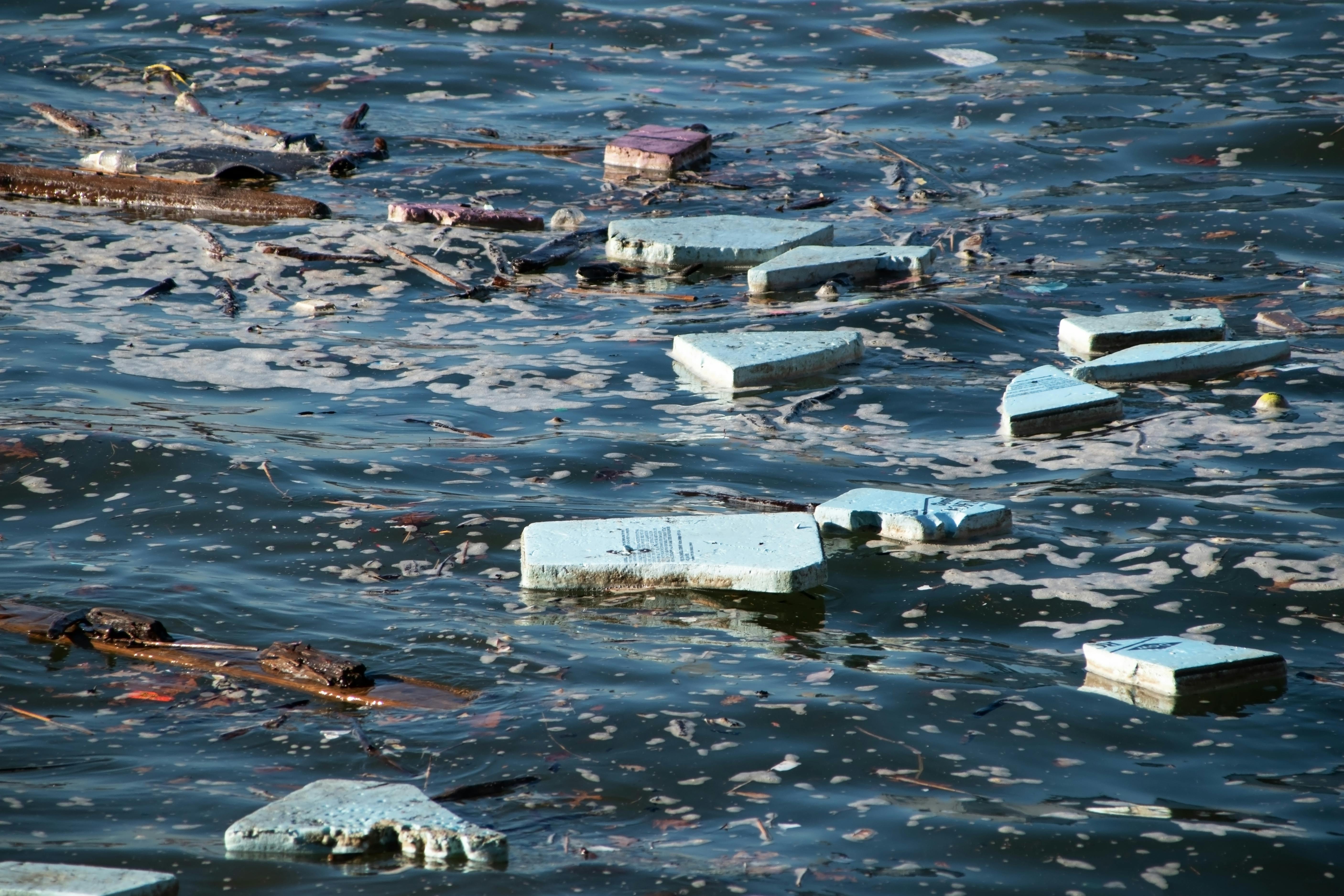
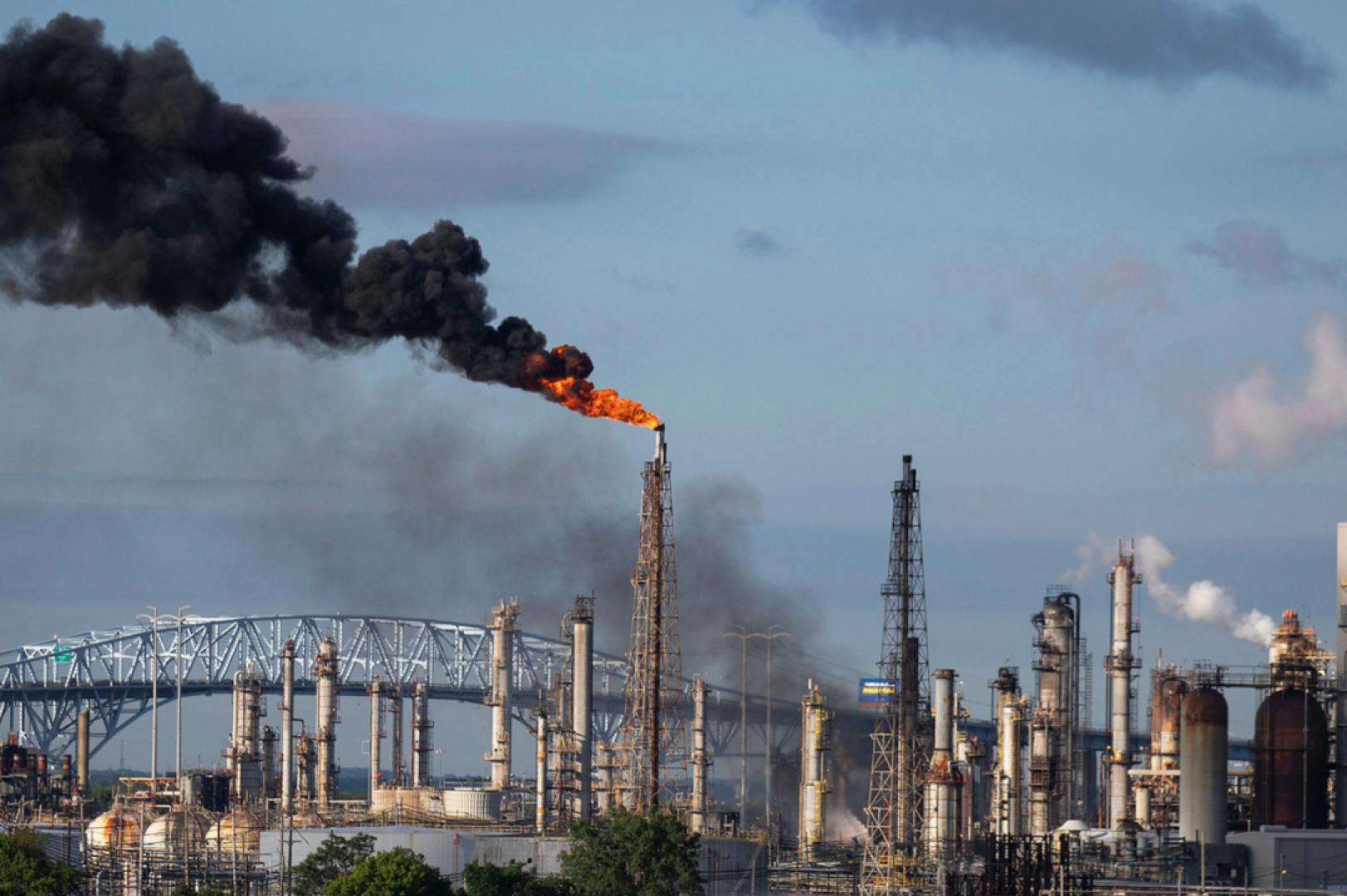
Plastics don’t just pollute our oceans — at every part of their lifecycle, plastics and the petrochemicals they’re made with contribute to pollution and put communities at risk. Plastics start in massive industrial plants built to churn out more plastic than we could ever need. These petrochemical facilities release toxic chemicals into the air and water, fueling health crises linked to higher rates of cancer, asthma, and other serious illnesses.
The statistics are sobering:
One petrochemical additive found in many common household plastics has been linked to 356,000 heart-related deaths in a single year.
Even as petrochemical facilities face a crumbling market and poor economic outlook, more than a hundred new facilities have been proposed in the U.S. alone. Many of these projects are fueled by massive tax breaks, funneling billions away from schools, roads, parks, and essential services. And once built, they lock us into decades of toxic pollution and plastic waste. We don’t have to accept this future.
Every big movement starts with a "Step One." We can each take that first step today to stand up against building more of these petrochemical facilities.