





We are so excited to tell you about a major victory that our supporters helped achieve. Yesterday at the UN Ocean Conference, the Colombian government announced it will create four new official marine reserves, including one expanding the fully protected Malpelo Sanctuary of Fauna and Flora. Colombia will now surpass the goal of protecting 30% of its waters eight years before the 2030 deadline! The initiative to protect 30% of the global ocean by the year 2030, referred to as 30x30, is a target that scientists have indicated is necessary in order to prevent irreversible loss of marine life. A huge thank you to everyone who made their voice heard on the petition to protect the Eastern Tropical Pacific marine corridor. And, of course, this win would not have been possible without the hard work and dedication of Colombia’s environmental, fishing, and maritime authorities, along with scientists, the private fishing sector, nonprofits, and the people of Colombia. With this remarkable action, Colombia will strengthen local fisheries, sustainable livelihoods, and the protection of marine biodiversity in its native waters and throughout the Eastern Tropical Pacific marine corridor. If you’d like to move another campaign to create sanctuaries close to victory, consider adding your name to the brand-new petition to expand the Pacific Remote Islands Marine National Monument 🌎 ⛵️
The fish around Britain are disappearing.
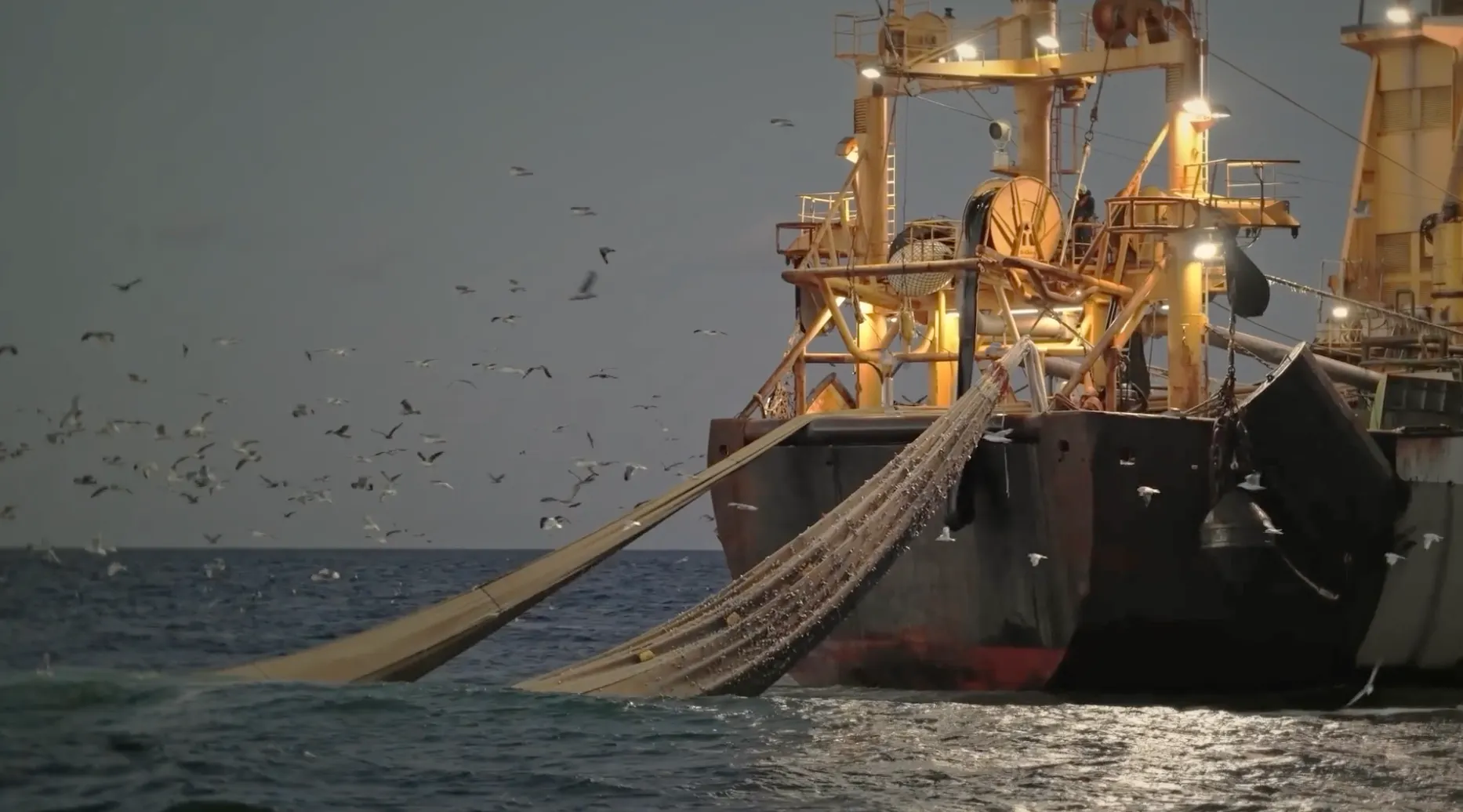
A recent report by Blue Marine Foundation found that many of the UK's key fish populations are in steep decline as a result of decades of overfishing.
For years, ministers have set catch limits above what scientists advised, allowing more fish to be caught than experts consider sustainable. This political choice has pushed many fish populations closer to collapse, damaging marine ecosystems, threatening coastal livelihoods and weakening the UK's food security.
Some of the declines are staggering. Between 2016 and 2025, Celtic Sea cod, haddock, whiting, herring and pollack declined by 98%, 79%, 73%, 45% and 31% respectively. Meanwhile, scientists now advise zero catches for three of the UK's four cod stocks.
These are not distant, abstract losses.
They affect the health of our seas, the livelihoods of fishing communities and the seafood on our plates. They are one reason why the cod in your local fish and chip shop is now likely to have been caught thousands of miles from British waters.