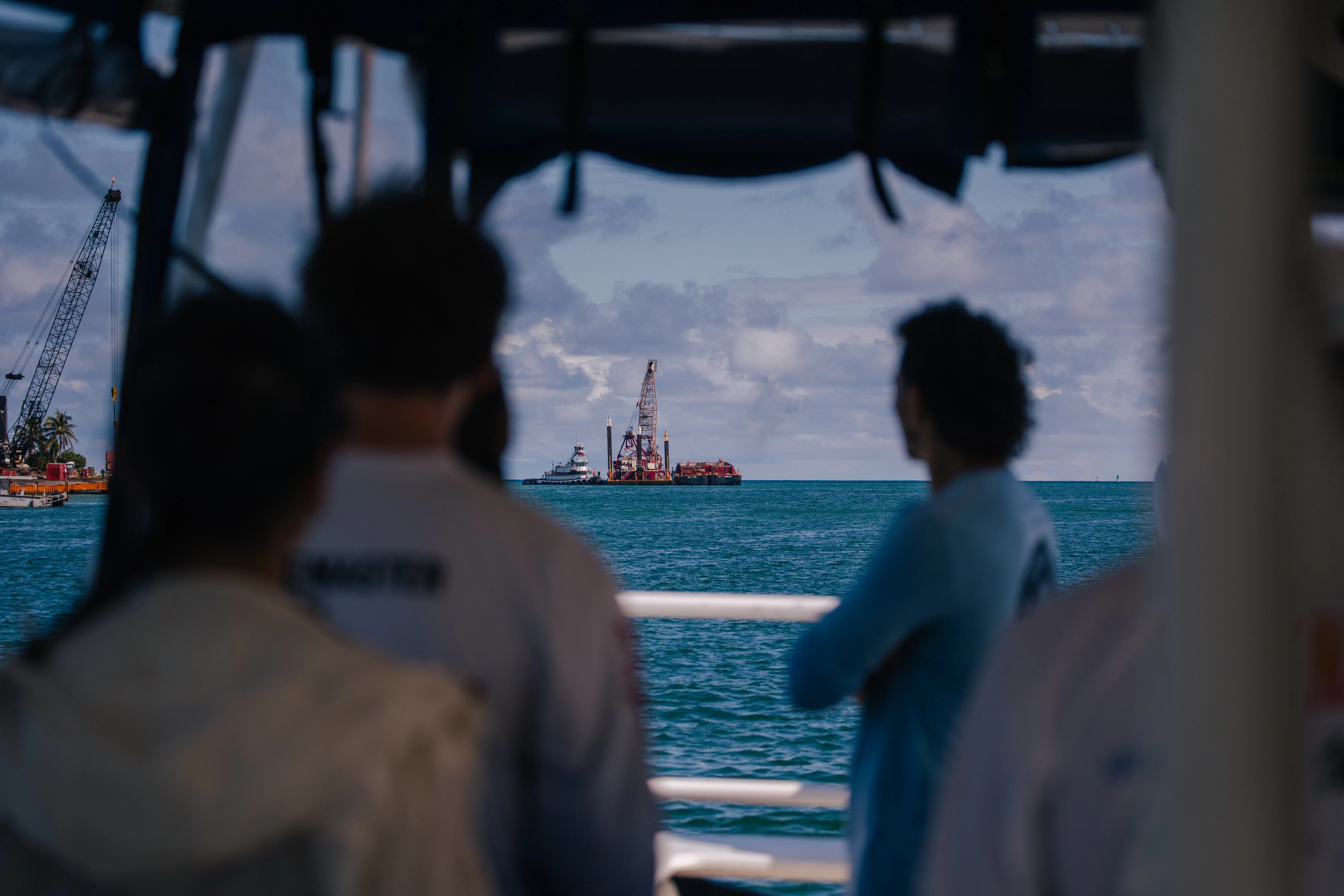
On August 4, 2026, Miami Waterkeeper, Florida Wildlife Federation, and the Diving Equipment & Marketing Association — represented by Earthjustice — along with co-plaintiff Center for Biological Diversity sued the U.S. Army Corps of Engineers and the National Marine Fisheries Service (Service) for violating the Endangered Species Act in authorizing the dredging project. The lawsuit comes after the Fisheries Service recommended in April 2026 that the Army Corps consider formally reassessing the harm this sediment pollution is causing to these species and their habitat, suggesting that the project may already be exceeding the permitted incidental take of staghorn coral. Despite this, the Sand Bypass project dredging continued without a new environmental analysis.
In authorizing the Sand Bypass Project, the federal agencies are relying on mitigation strategies that are unlikely to benefit the protected species. Sound familiar? This group raised the same concern during planning for the Port Everglades deep dredge. Given the proximity of these projects, it begs the question: If the agencies cannot prevent the Sand Bypass project from harming the reef now, then why are they equipped to prevent severe impacts to the reef later during the deep dredge? That project will take six years and involve larger amounts of sediment.
That’s why we’re calling for environmental safeguards, science-based oversight, and stronger mitigation.
Within days of the filing, the Army Corps has agreed to halt all dredging activity for the Sand Bypass Project while conducting a new environmental consultation with the Service. At this stage, no dredging is authorized until consultation is complete and not until November 2026 at the earliest.
This major win means our advocacy is making a difference. With dredging paused, now is a critical time to continue applying pressure on the agencies in charge. Learn more and take action here by adding your voice to the thousands already calling for stronger protections for Florida’s coasts.