
Key facts
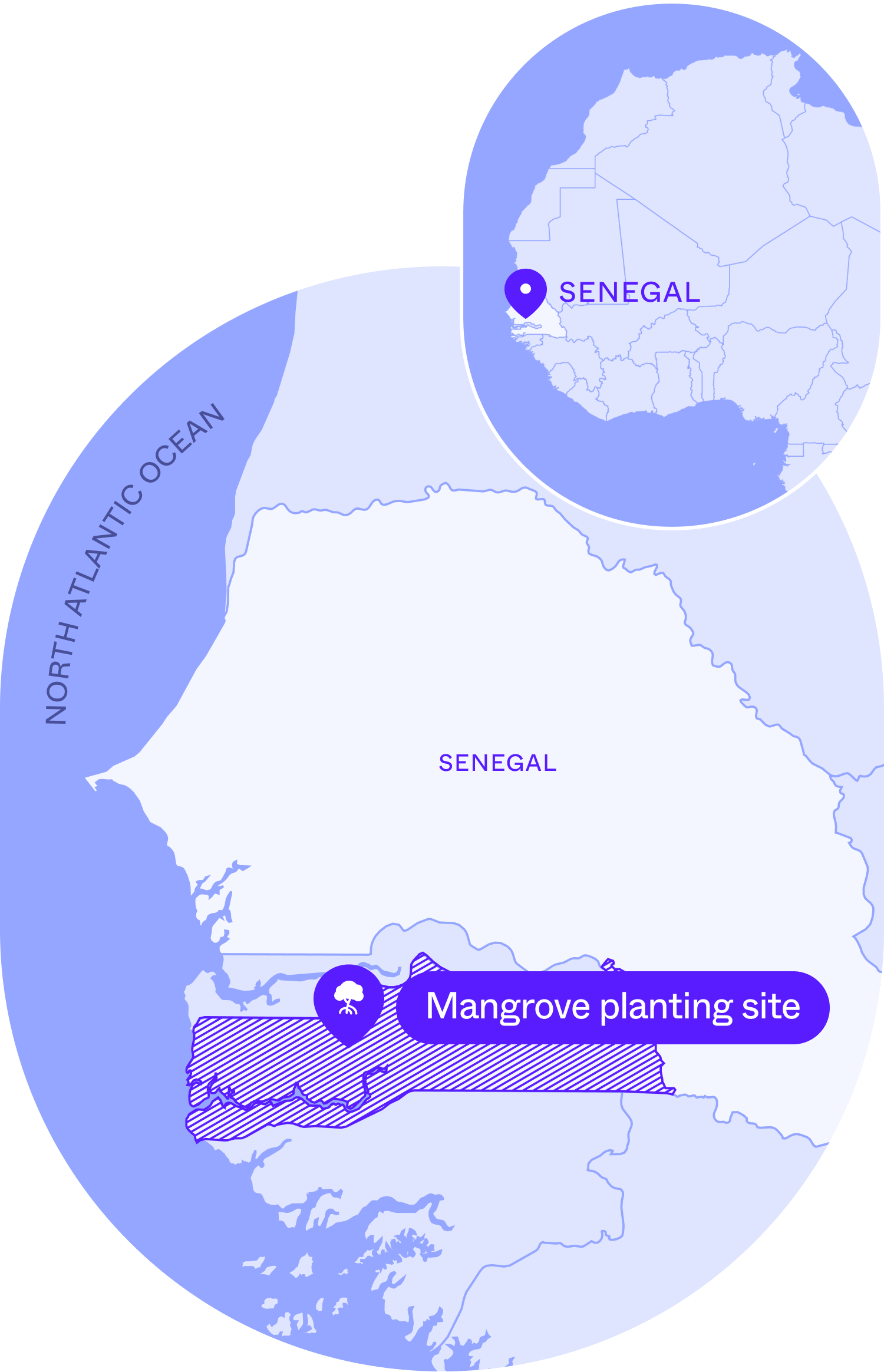
Only One members are supporting the planting of 300,000 mangroves in southern Senegal along the Casamance River.
This project is restoring a region home to 65,000 hectares of mangrove habitats spanning nearly two-thirds of the coastline.
The Casamance Delta provides vital wintering grounds for bird species visiting from as far north as the Arctic and Scandinavia.
Our mangrove restoration partner pioneers local initiatives to safeguard wetlands for West African communities using community-based, data-driven techniques.
How the project works
1
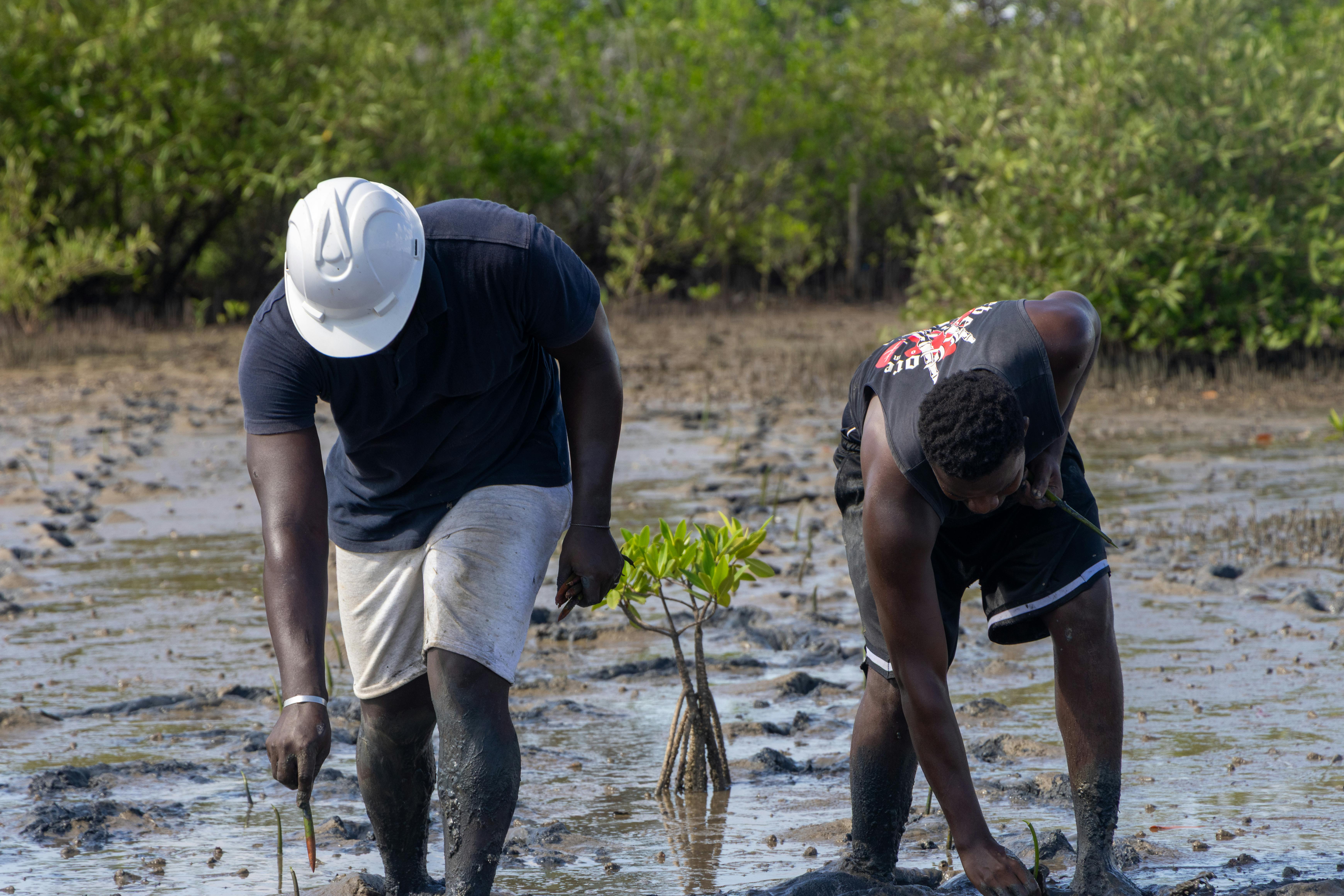
Wetlands International Africa builds relationships with local communities wanting to restore their mangrove forest, identifying degraded areas using a combination of remote sensing and field visits in a verification process known as “ground truthing.”
2
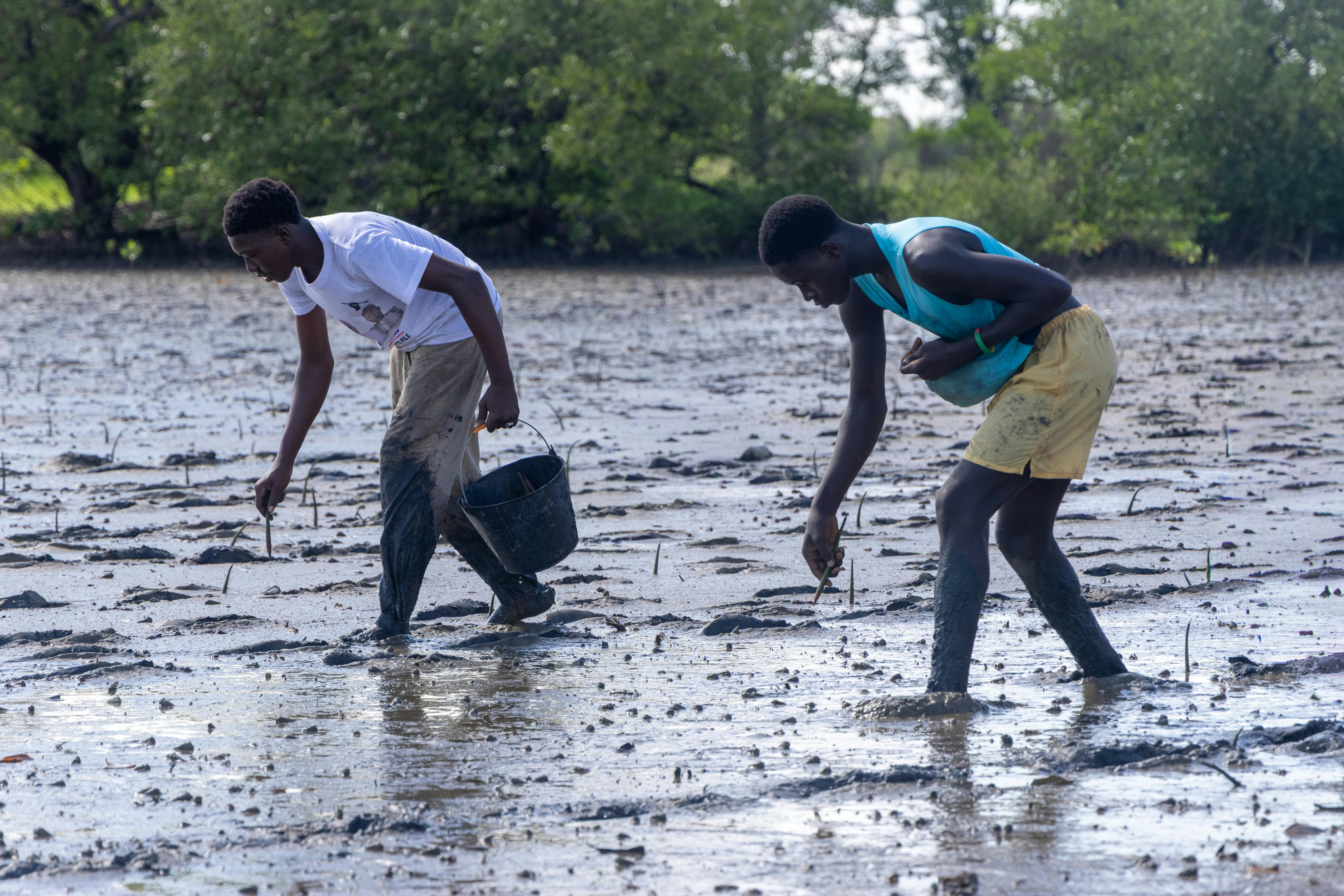
Instead of focusing solely on mangrove planting (though this is important, too!), Wetlands International Africa works to restore underlying hydrology like the mixing of saltwater and freshwater so that the mangroves regenerate naturally, leading to true ecosystem restoration with richer biodiversity.
3
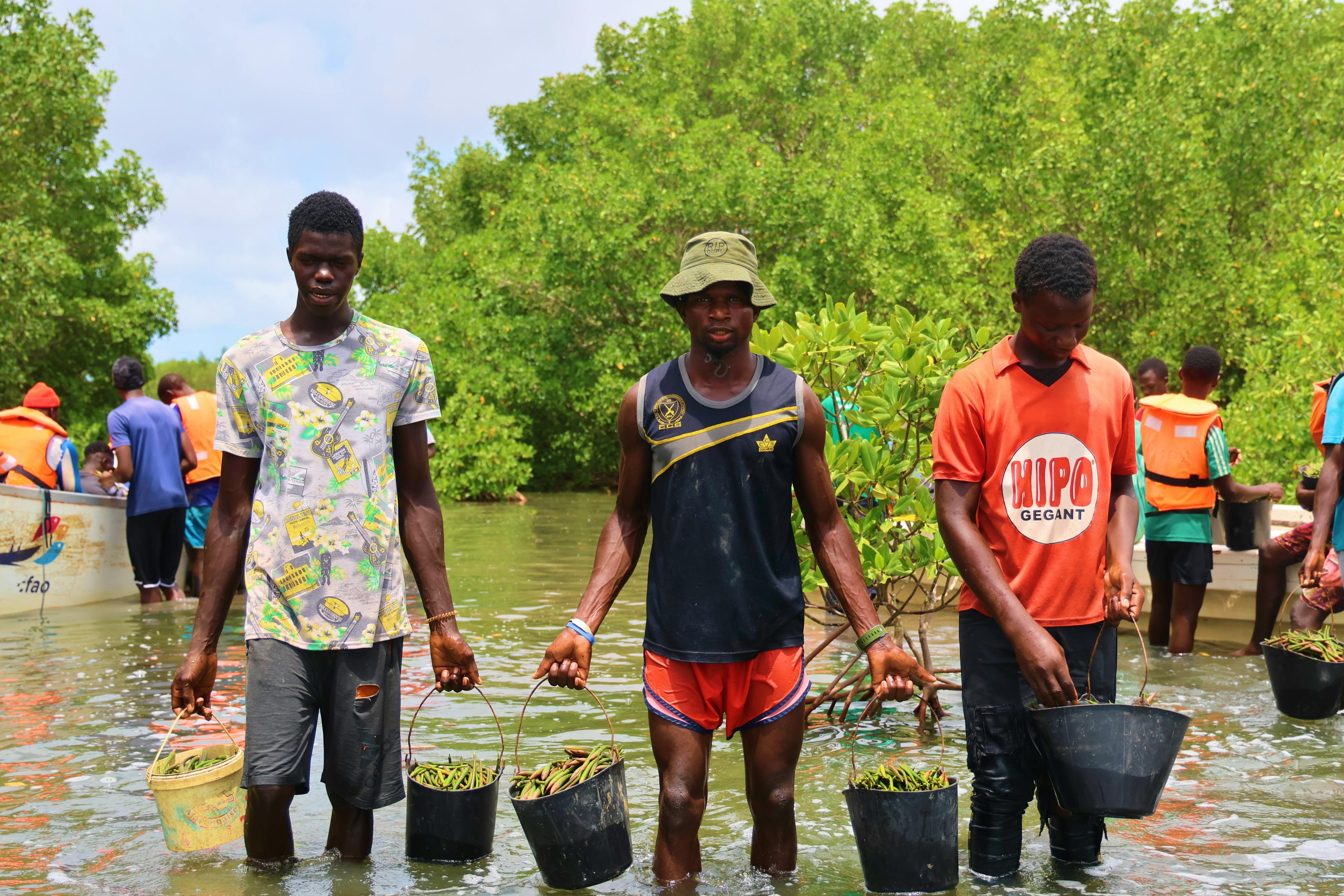
Coastal communities contribute to the mangrove restoration efforts, and in return, they are empowered to develop alternative livelihoods and to sustainably use mangrove products like oysters.

4
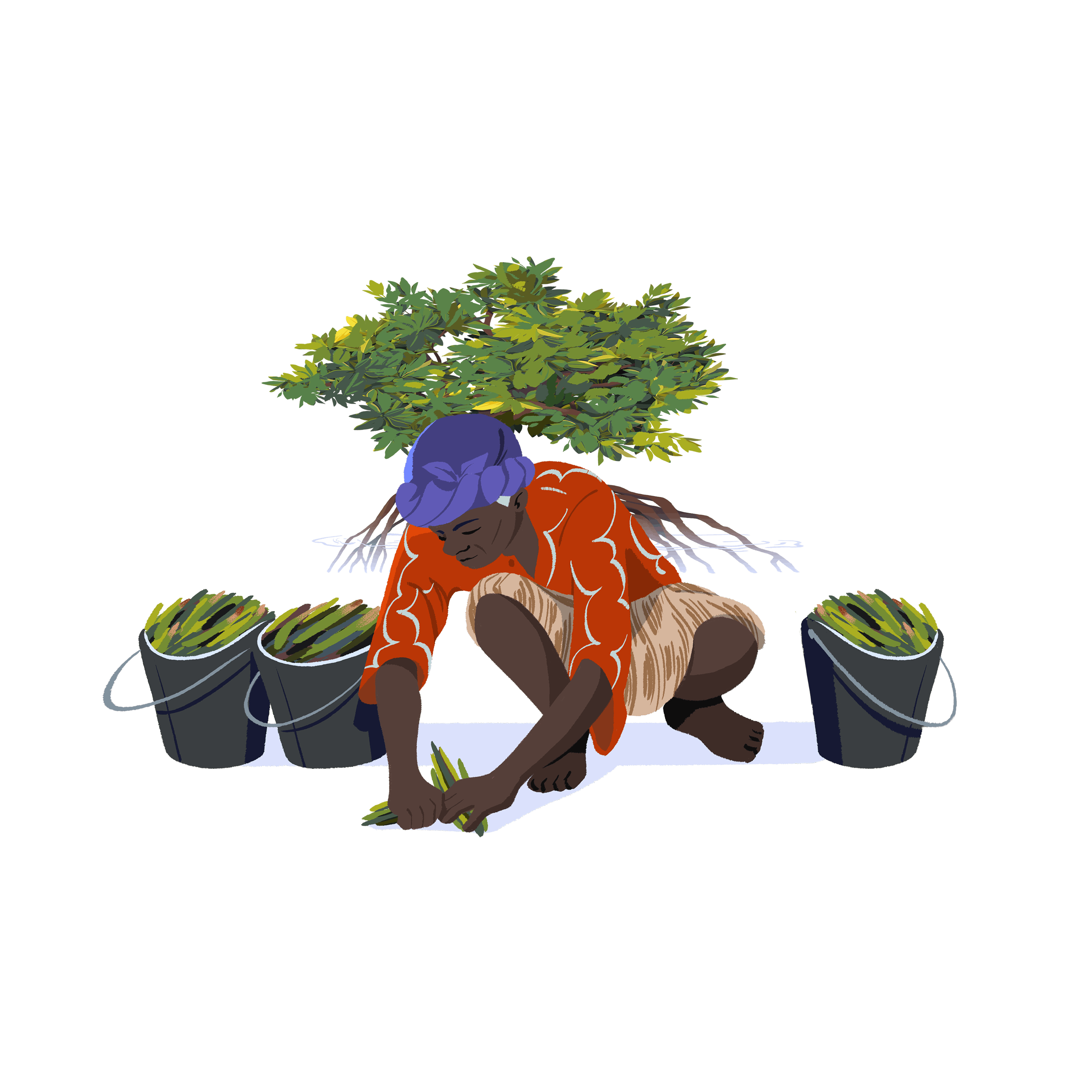
Once established, veritree monitors forest health and success rates using field observations (via the Collect App), cameras, drones, and remote sensing.

Project impact
All projects on Only One help save the ocean and the planet, with 100% of our members’ funds going directly to impact. Keep reading to learn how our project, “Conserving mangroves and migratory habitat in Casamance” is making a positive difference.
Ecosystem protection
Within the Ziguinchor region — one of the three administrative zones that together make up Casamance — restoration work for this project takes place along the Kawawana ICCA (Indigenous and Community Conserved Area) and the Ufoyaal Kassa-Bandial MPA (marine protected area).
The 9,665 hectares of Kawawana were formally protected in 2010 by the fishermen association of the eight villages of the Mangagoulack municipality, following years of degradation by overfishing outsiders who used nylon nets (instead of the traditional cotton) and indiscriminately cleared the mangroves that covered the estuary. This exploitation was made worse by climate change, as rising salinity levels imperiled rice fields and rendered well water undrinkable.
Today, these nylon nets have been repurposed for livestock pens as mangrove coverage, fish populations, and indicator species such as otters have rebounded.
The more recently established (2022) Ufoyaal Kassa-Bandial MPA covers 123,163 hectares and includes the Casamance Delta, which outlets into the Atlantic Ocean and sustains one of the largest manatee communities in West Africa.

Biodiversity
Longtime Only One members know that of the more than 1,500 species that call mangroves home, almost half face increased risk of extinction. But while many mangrove-dwellers are vulnerable, the strength of these superpowered forests (which store 4 times the carbon as terrestrial trees) provides hope for their inhabitants.
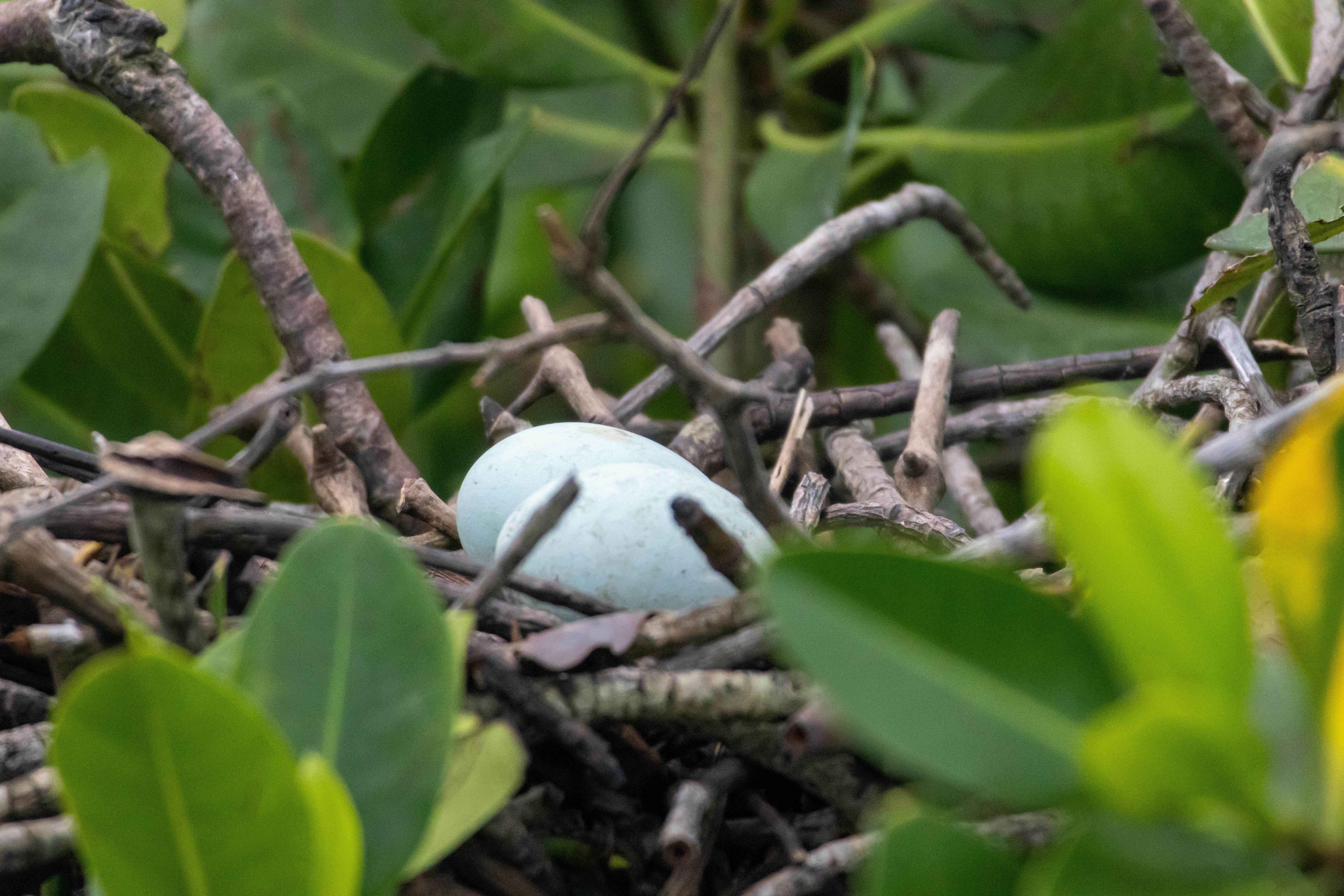
The project area lies within the African-Eurasian flyway, one of four global corridors traversed by hundreds of thousands of birds every year. Along the Casamance River, mangrove branches and the inlets their root systems sustain are essential stopover habitat for wintering shorebirds looking for some R&R on their long journey.
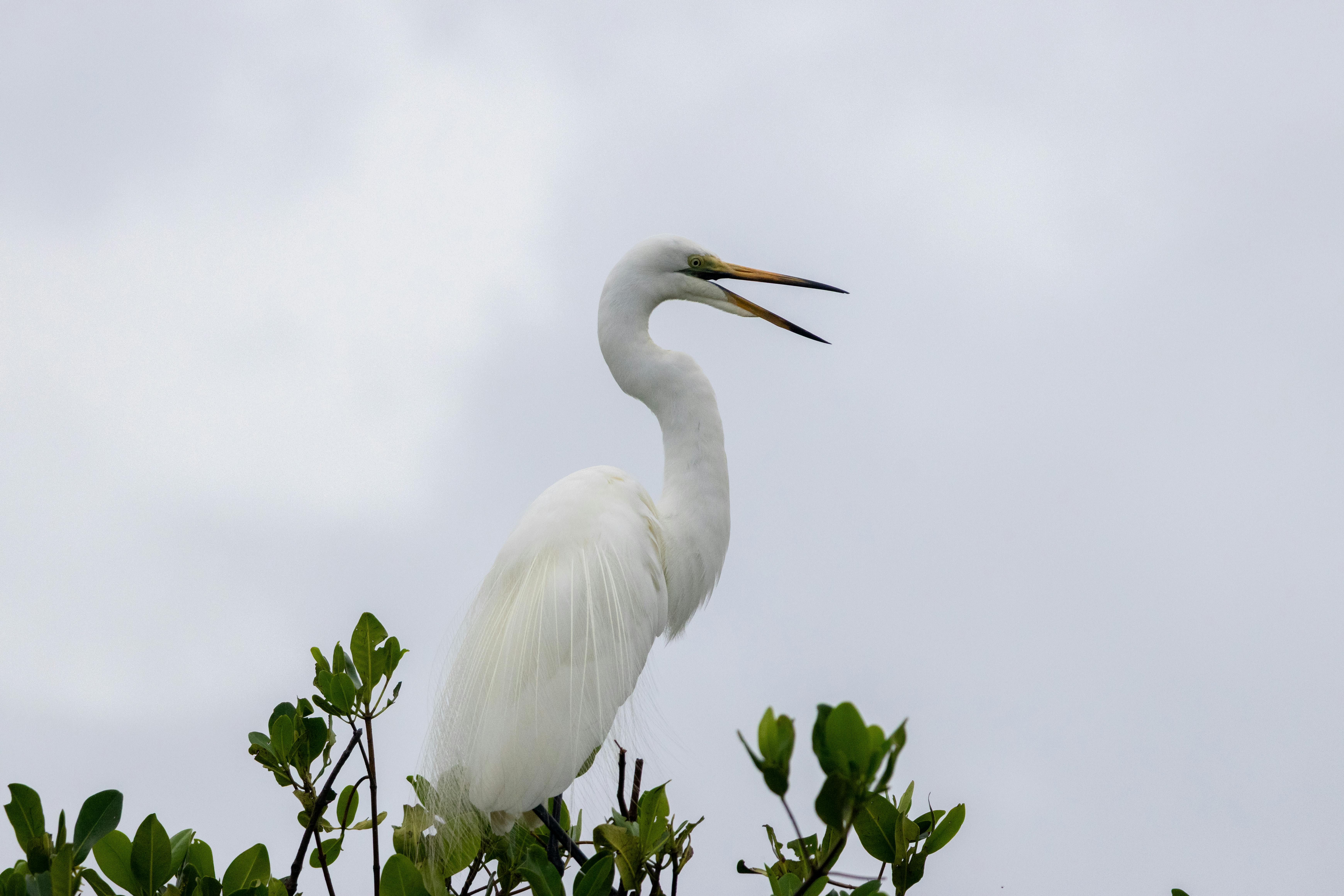
That’s why Great egrets stick out among the mangrove green, their snow-white plumage and S-shaped necks together a steeple towering high above the leaves. Bar-tailed godwits wade in the mudflats, munching on worms to recuperate from their summer holiday in the British Isles, as the curve-billed Eurasian curlew breeds below the branches.
But it’s not just the passers-by: the locals too dine in and enjoy the leafy shelter of the mangroves. Western reef egrets and black-crowned night herons perch on sloping branches; reed cormorants nest and hunt for fiddler crabs and gobies.
Beyond birds, the Near Threatened African clawless otter collects the same oysters that local fishers harvest. And the critically endangered sawfish, once plentiful throughout the Casamance River, used to be spotted alongside the still-present estuarine croaker fish.
Community development
Our partner’s Community-Based Ecological Mangrove Restoration (CBEMR) methodology empowers Senegalese communities to restore and steward the mangrove forests while offering sustainable coastal livelihoods. By bringing locals in as leaders of the restoration project from the outset, Wetlands International Africa ensures that they are fully involved in resolving environmental, social, and economic challenges in the area where they live.
The municipality of Mangagoulack (Kawawana ICCA) has a population of about 8,500, while the Ufoyaal Kassa-Bandial MPA region is home to approximately 48,000 people. Wetlands International Africa hosts workshops for students, technicians, and stakeholders in the broader Ziguinchor region, training restoration professionals such as those on management committees how to use their online platform, called Global Mangrove Watch, for site selection and real-time monitoring.
Mangroves play a vital role to these coastal communities, supporting fish and shellfish populations, which are crucial food stocks for local fishers and residents. And because mangroves naturally filter pollutants, restoration improves water quality for communities reliant on coastal resources for income and sustenance.
Project leaders
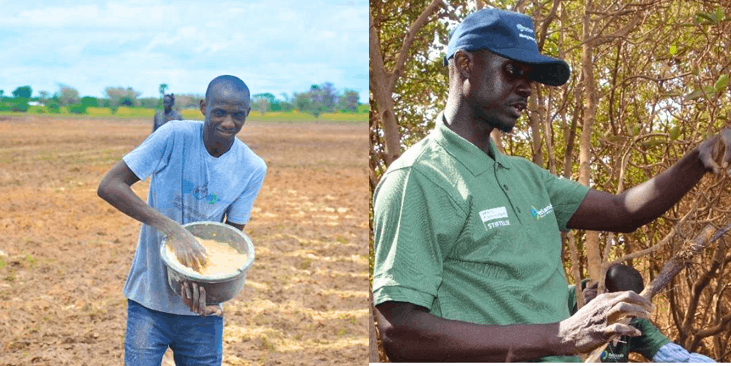
Alongside the vast number of community members working on this project, Wetlands International Africa’s team based in Senegal runs a highly impactful program supported by Only One members and led by local employees.
Boubacar Sagna, who coordinated the restoration project Only One members support in the Saloum Delta, continues the collaboration as the project lead in Casamance, bringing more than a decade of experience in economic development and resource management. As the Project Assistant, Amadou Faye Diédhiou is supporting the restoration work across both sites, in service of his doctoral thesis. Lastly, Khadim Diop is the Web GIS (Geographic Information Services) Officer, mapping the project areas and conducting spatial analysis to ensure the restoration process is successful and well-documented.
Project leads are supported by partners on the ground, including Lt. Mamanding Sonko, the deputy manager of the Ufoyaal Kassa-Bandial MPA, and Salatou Sambou, a fisher, former president of the Mangagoulak District Fishermen Association, and founding member of the Kawawana ICCA.
These staff are supported by Wetlands International Africa’s Dakar office covering project management, as well as impact reporting and communications.
Sustainable Development Goals
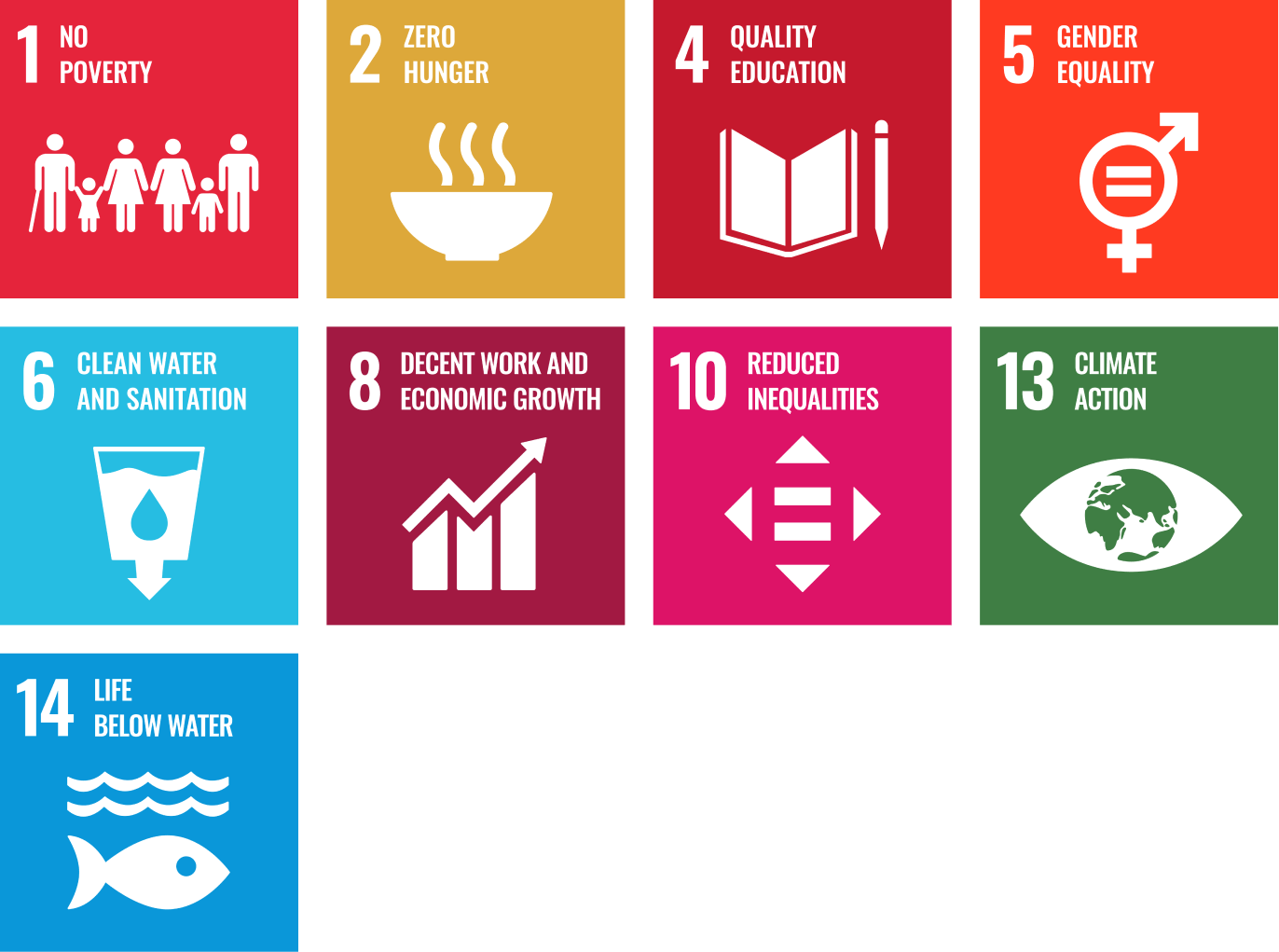
By supporting the “Conserving mangroves and migratory habitat in Casamance” project, funds from Only One members contribute to advancing these nine United Nations Sustainable Development Goals (SDGs).
Project reporting
Wetlands International Africa will send Only One detailed and timely reports on how the mangrove restoration project is progressing. Their team also sends us new photos and videos from site visits.

More about our mangrove restoration partner

Our mangrove restoration partner is part of the only global nonprofit organization dedicated to the conservation and restoration of wetlands, pioneering local initiatives to safeguard wetlands for West African communities, and nurturing expansive, dynamic landscapes and natural resources. Working closely with the communities most connected to and impacted by wetlands, they develop and mobilize local knowledge on the ground, using real-life evidence to advocate for better policy and outcomes for ecosystems.
Follow Wetlands International Africa on social media